

#HimaEcoMedia
As part of ongoing efforts to strengthen strategic partnerships between the public and private sectors and advance Lebanon’s agricultural innovation ecosystem, Minister of Agriculture Dr. Nizar Hani visited Berytech’s headquarters in Mansourieh, accompanied by his advisors, Ms. Sawsan Bou Fakhr El-Dine and Mr. Fadi Ghanem. The delegation was welcomed by Mr. Maroun Chammas, Chairman and Chief Executive Officer of Berytech, along with members of the organization’s leadership team.
During the visit, Minister Hani was briefed on Berytech’s programs and initiatives supporting entrepreneurship, innovation, and start-ups within the agricultural and agri-food sectors. Discussions focused on strengthening collaboration between the Ministry of Agriculture and Berytech in line with the Ministry’s priorities and long-term vision for the development of Lebanon’s agricultural sector.
In his remarks, Minister Hani emphasized that the future of Lebanese agriculture extends beyond increasing production and requires the development of an integrated agricultural economy driven by knowledge, innovation, technology, and investment across agricultural and food value chains.
“Berytech represents an advanced model of cooperation between the public sector and institutions that foster innovation and entrepreneurship,” Hani stated. “This partnership aligns directly with the strategic priorities outlined in the National Agriculture Strategy 2026–2035, which aims to build a more sustainable, resilient, market-oriented, and growth-driven agricultural sector.”
He added: “Our objective is to move beyond the traditional concept of agriculture toward a comprehensive agricultural economy, where value is generated not only in the field but throughout the entire chain—from food processing, packaging, marketing, and export to digital innovation and modern agricultural services. This is why supporting small and medium-sized enterprises (SMEs) and start-ups is essential, as they create employment opportunities and develop innovative solutions to the challenges facing the sector.”
Minister Hani further highlighted the Ministry’s commitment to promoting contract farming as a key pillar of the next phase of agricultural development. He explained that this model provides greater stability for farmers by linking production to market demand, food processing industries, and export opportunities, while ensuring transparent and equitable contractual arrangements between producers and buyers.
“Contract farming is not merely a marketing mechanism,” he said. “It is a development tool that helps reduce economic risks for farmers, improve product quality, enhance the competitiveness of Lebanese agricultural products, and integrate farmers more effectively into sustainable value chains.”
The Minister noted that the Ministry’s Agriculture Strategy 2026–2035 is built around several key pillars, including strengthening food security, promoting sustainable production, supporting agri-food industries, encouraging agricultural innovation, improving natural resource management, expanding export and investment opportunities, and empowering youth, women, and entrepreneurs in rural communities.
He also stressed that the challenges facing the agricultural sector—including climate change, natural resource constraints, and market volatility—require genuine partnerships among government institutions, the private sector, academic and research institutions, farmers, and development partners under a unified national vision.
For his part, Mr. Maroun Chammas underscored the importance of the partnership with the Ministry of Agriculture, describing it as a significant step toward advancing Lebanon’s agricultural and food sectors through a focus on crops and industries where Lebanon possesses clear competitive advantages and high value-added potential.
He emphasized the need to shift from exporting agricultural commodities as raw materials toward processing, transforming, and marketing them through more innovative approaches that increase their competitiveness in both local and international markets.
Chammas explained that Berytech’s role is to complement and support the Ministry’s efforts by providing expertise, connecting stakeholders, and assisting farmers, producers, and start-ups through technical support, implementation services, market access, and the development of scalable business models.
He further noted that building an integrated ecosystem based on collaboration among public institutions, private-sector actors, farmers, and innovators is essential for generating sustainable impact in Lebanon’s agricultural sector and increasing its contribution to national economic growth.
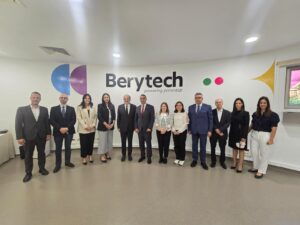
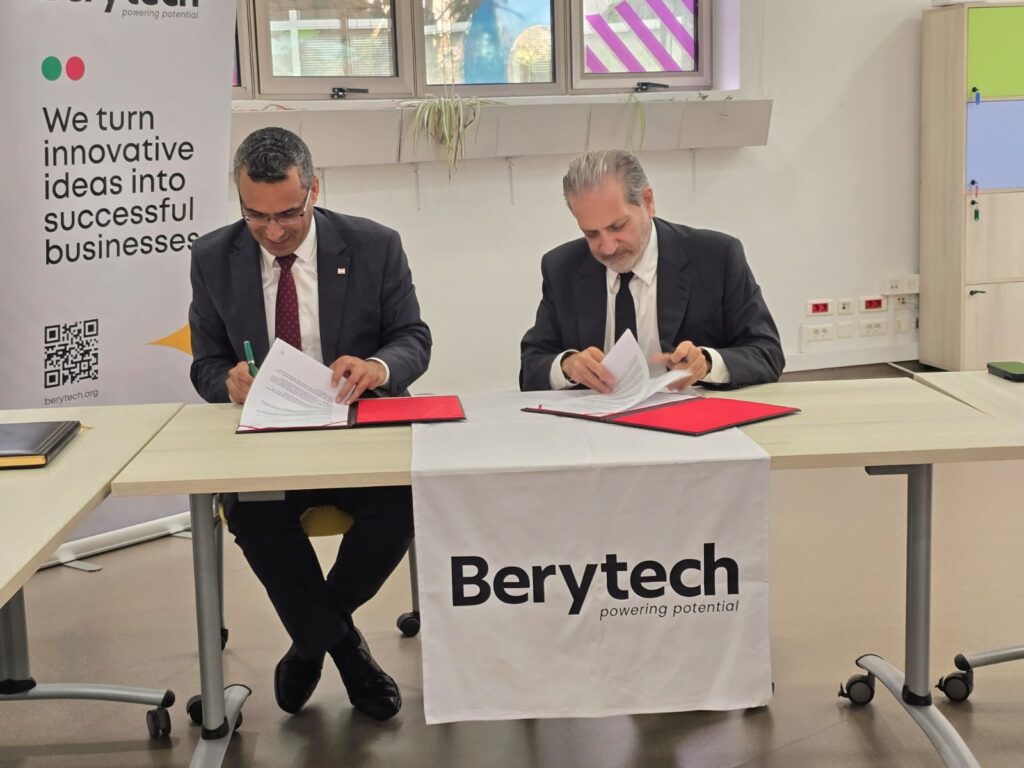
The visit concluded with the signing of a cooperation agreement between the Ministry of Agriculture and Berytech aimed at fostering agricultural and agri-food innovation and entrepreneurship, supporting emerging enterprises, strengthening agricultural value chains, and contributing to the implementation of programs and initiatives that advance sustainable agricultural development in Lebanon, in line with the national vision for the sector over the coming decade.
-
-
 Conferences & Activities
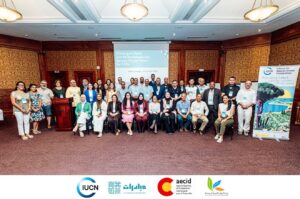
GHADI Participates in IUCN Mediterranean Regional Workshop on Species Conservation in Tunisia
20 July 2026 -
 Conferences & Activities
30 New Nature Guides Graduate Under SPNL’s Homat al Hima Programme to Support Lebanon’s First Natural Park
5 July 2026 -
 Conferences & Activities
Fadi Ghanem: Lions’ Engagement in Supporting Hima Marks a Pivotal Milestone for Environmental and Community Action in the Region
28 June 2026 -
 Conferences & Activities
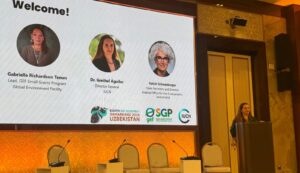
IUCN Director General Highlights Community Ownership as the Foundation of Sustainable Conservation at GEF Assembly
5 June 2026 -
 Conferences & Activities
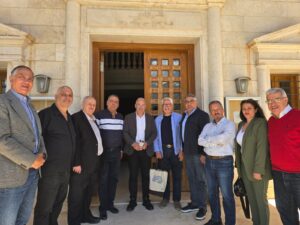
Bsharri and Dimane Strengthen Environmental Leadership: Establishment of “Hima Bsharri” and Declaration of the “Patriarchs’ Garden – Dimane” as an Environmental and Cultural Hima within a National Vision for Nature and Heritage Conservation
2 June 2026 -
 Conferences & Activities
UNESCO and SPNL Convene Regional Leaders to Advance Hima-Based Conservation Amid Regional Challenges
6 April 2026 -
 Conferences & Activities
Regional Dialogue in Beirut under the “Al Murunah” Project Advances Climate Adaptation Financing through Nature-Based Water Solutions
11 March 2026
-
-
- No most read articles today