


#HimaEcoMedia
Bsharri – Dimane, Lebanon
In a significant step forward for community-based conservation of natural and cultural heritage in Lebanon, the establishment of “Hima Bsharri” and the designation of the “Patriarchs’ Garden – Dimane” as part of Lebanon’s growing Hima network were officially announced during a field visit led by Fadi Ghanem, President of Ghadi Association and Coordinator of the International Union for Conservation of Nature (IUCN) Members Network in Lebanon, and Assaad Serhal, Middle East Regional Representative of BirdLife International and Director General of the Society for the Protection of Nature in Lebanon (SPNL).
They were accompanied by André Bchara, Director of the Hima Program in Lebanon; Elias Antonios, Governor-Elect of Lions Clubs District 351 (Lebanon, Jordan and Palestine); and Nabil Nossour, Past District Governor and Lions Iraq Coordinator.
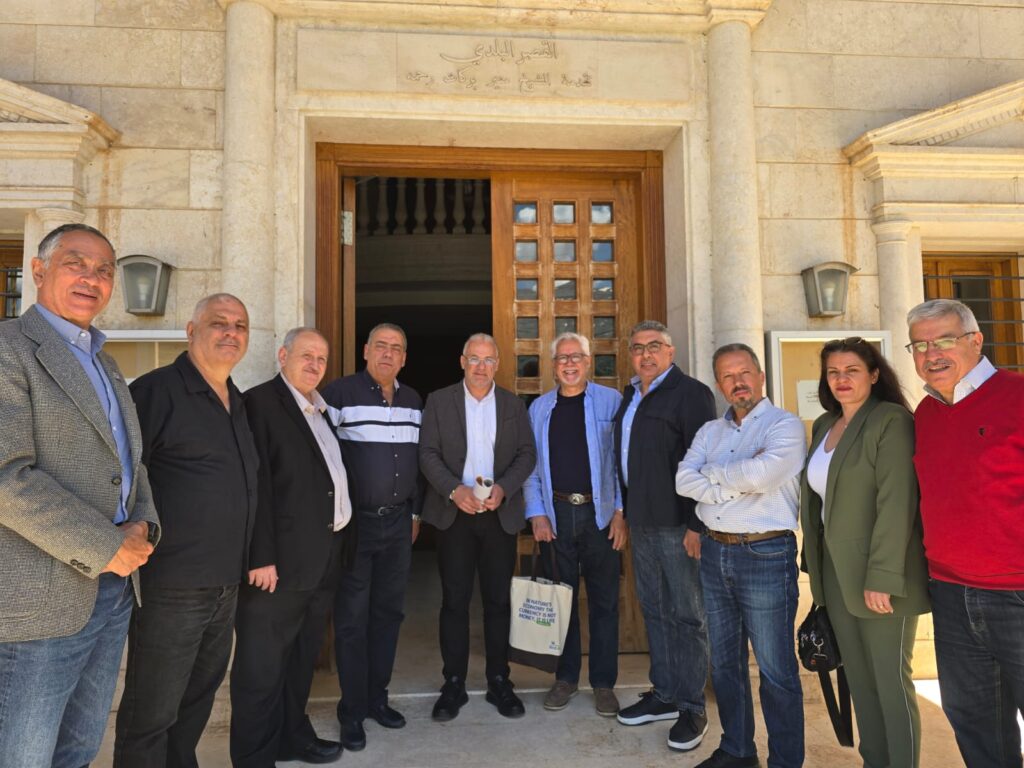
The delegation was welcomed in Bsharri by members of the Friends of the Cedar Forest Committee: Bassam M. Geagea, Secretary General; Engineer Kozaya Touk, Vice President; Youssef Fneianos, Secretary; and Jocelyne Semrani, Treasurer.
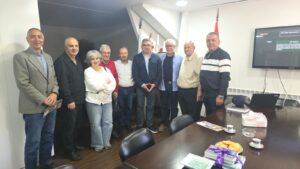
During the meeting, committee members presented their environmental and development initiatives, while the visiting delegation provided a comprehensive overview of the Hima concept, its objectives, implementation mechanisms, and the environmental, social, and economic benefits it brings to local communities.
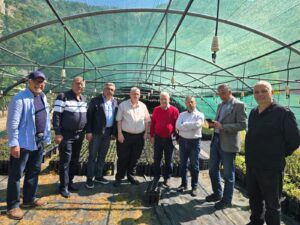
The delegation emphasized that the Hima approach represents an advanced model of community-based natural resource management, combining biodiversity conservation, sustainable development, and active local participation while fully respecting property rights, land use, and investment opportunities.
The delegation later visited the Municipality of Bsharri, where they met with Mayor Joe Kerouz. Discussions focused on the scientific, legal, and administrative foundations of the Hima model and its successful implementation in Lebanon. Participants agreed to work towards including a substantial area of Bsharri’s municipal commons within the framework of Hima Bsharri, thereby contributing to the protection of the region’s unique ecosystems, forests, and natural resources.
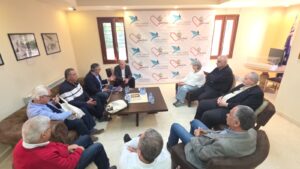
In a practical demonstration of the municipality’s commitment to environmental stewardship and sustainable development, the Municipal Council approved the establishment of Hima Bsharri in partnership with Ghadi Association, the Society for the Protection of Nature in Lebanon, and the Friends of the Cedar Forest Committee, creating a local framework for the sustainable management and conservation of natural resources for future generations.
The delegation subsequently traveled to Dimane, where they met with Bishop Joseph Naffah, Patriarchal Vicar General for the districts of Bsharri and Zgharta-Ehden, to discuss opportunities for cooperation in conserving and managing the Patriarchs’ Garden – Dimane and integrating it into Lebanon’s Hima network.
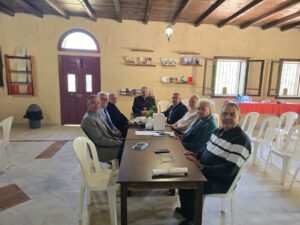
The meeting was attended by:
- Sister Lina El Khoury, Superior of Saint Stephen Convent of the Antonine Sisters at the Patriarchs’ Garden.
- Father Youssef Tannous, Vice President of the Qannoubine League for Heritage and Mission.
- Attorney Joseph Farah, Secretary General of the League.
- Mr. George Arab, Director General of the League.
- Members of the Board of Trustees:
- Dr. Jean Nakhoul
- Dr. Marwan Abi Fadel
- Dr. Elie Dnawi
Discussions addressed the environmental and developmental objectives of the Hima model, its legal framework, its implications for public and private property, and the opportunities it creates for sustainable local development.
The delegation clarified that the designation of a site as a Hima does not alter its legal status, nor does it impose restrictions on ownership rights, investment, or land use. Rather, it is based on voluntary partnership and collaboration among local stakeholders, landowners, and environmental organizations to promote conservation and sustainable development.
The delegation also presented the key stages involved in establishing a Hima, beginning with consultations with local authorities and communities, followed by participatory planning and management processes, and culminating in the implementation of conservation, development, and socio-economic empowerment initiatives.
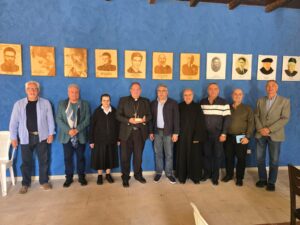
Bishop Naffah and representatives of the Qannoubine League presented the unique environmental, cultural, and spiritual characteristics of the Patriarchs’ Garden and the Qadisha Valley, highlighting their rich biodiversity, ecological trails, medicinal and aromatic plant nurseries, traditional food production initiatives, and cultural facilities, including a theater, museum, library, exhibition spaces, and environmental education programs.
The delegation then toured the site and its various projects and facilities, expressing deep appreciation for the efforts invested in its management and development. They noted that the site already embodies the principles of the Hima approach by successfully integrating nature conservation with cultural and spiritual heritage preservation.
At the conclusion of the visit, an agreement was reached to officially designate the Patriarchs’ Garden – Dimane as an Environmental and Cultural Hima and to establish a strategic partnership between the Qannoubine League for Heritage and Mission, Ghadi Association, and the Society for the Protection of Nature in Lebanon. The partnership will focus on developing and implementing an integrated management plan encompassing conservation, environmental awareness, scientific research, biodiversity monitoring, and sustainable development initiatives.
Statement by Fadi Ghanem
Fadi Ghanem stated:
“The establishment of Hima Bsharri and the designation of the Patriarchs’ Garden – Dimane as a Hima represent a landmark national achievement in Lebanon’s journey toward safeguarding its natural and cultural heritage. This initiative demonstrates that environmental conservation cannot be separated from the protection of local communities’ cultural, spiritual, and historical identity.
The Hima model is built on partnership, trust, and cooperation. It places people at the heart of conservation efforts and strengthens their connection to their land, resources, and heritage. What we are witnessing today in Bsharri and Dimane is an inspiring example of harmony between nature, culture, and community, reaffirming that sustainable development begins with empowered local communities.”
Statement by Assaad Serhal
Assaad Serhal stated:
“Bsharri, the Qadisha Valley, and Dimane possess exceptional global environmental significance, not only because of their biodiversity, forests, and natural habitats, but also because of their remarkable cultural and spiritual heritage.
Their inclusion in Lebanon’s Hima network further strengthens their position as leading examples of community-based conservation. It confirms that nature protection becomes more effective and sustainable when it is rooted in local participation and supported by genuine partnerships among environmental organizations, municipalities, religious institutions, cultural bodies, and local communities.”
Towards a National Model Integrating Nature, Heritage, and People
The establishment of Hima Bsharri and the declaration of the Patriarchs’ Garden – Dimane Environmental and Cultural Hima mark an important milestone in the expansion of Lebanon’s Hima network, which now encompasses dozens of sites across the country and stands as a pioneering national model for participatory natural resource management.
These initiatives reaffirm that conservation extends beyond protecting ecosystems and biodiversity; it also encompasses safeguarding the cultural, historical, and spiritual memory of local communities. In doing so, they contribute to the achievement of the Sustainable Development Goals and align with the vision of the IUCN and global conservation efforts aimed at fostering a balanced relationship between people and nature.
Moreover, this initiative opens new opportunities for collaborative environmental, scientific, cultural, and development projects, positioning Bsharri, Dimane, and the Qadisha Valley as national and international models for integrating nature conservation, heritage preservation, and community resilience, while ensuring the sustainability of this unique legacy for generations to come.
-
-
 Conferences & Activities
GHADI Participates in IUCN Mediterranean Regional Workshop on Species Conservation in Tunisia
20 July 2026 -
 Conferences & Activities
30 New Nature Guides Graduate Under SPNL’s Homat al Hima Programme to Support Lebanon’s First Natural Park
5 July 2026 -
 Conferences & Activities
Fadi Ghanem: Lions’ Engagement in Supporting Hima Marks a Pivotal Milestone for Environmental and Community Action in the Region
28 June 2026 -
 Conferences & Activities
Minister of Agriculture Nizar Hani Visits Berytech and Affirms: Building a Modern Agricultural Economy Based on Innovation, Partnerships, and Investment in Value Chains
7 June 2026 -
 Conferences & Activities
IUCN Director General Highlights Community Ownership as the Foundation of Sustainable Conservation at GEF Assembly
5 June 2026 -
 Conferences & Activities
UNESCO and SPNL Convene Regional Leaders to Advance Hima-Based Conservation Amid Regional Challenges
6 April 2026 -
 Conferences & Activities
Regional Dialogue in Beirut under the “Al Murunah” Project Advances Climate Adaptation Financing through Nature-Based Water Solutions
11 March 2026
-
-
- No most read articles today