

#HimaEcoMedia
Beirut – Amid the ongoing escalation in southern Lebanon, Fadi Ghanem, Coordinator of the IUCN Members Network – Lebanon, issued a statement warning of the deepening environmental consequences of the conflict, stressing that the damage extends far beyond human and material losses to directly threaten the country’s ecological systems and natural heritage.
Ghanem emphasized that wars are typically measured in terms of casualties, destroyed infrastructure, and displaced communities. However, he noted that “another silent and often overlooked dimension of destruction is unfolding: the systematic degradation of nature, which undermines the very foundations of life itself.”
He stressed that nature is not a secondary element in the human landscape, but rather “the first infrastructure of life,” providing clean water, food security, breathable air, climate regulation, soil protection, and essential ecosystem services. It is also deeply embedded in cultural identity and collective memory. “Any attack on the environment is therefore an attack on human resilience, sustainable development, and the future of coming generations,” he said.
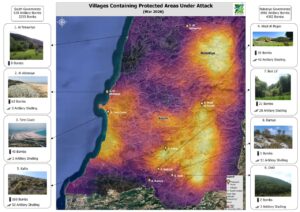
In this context, Ghanem expressed his full alignment with Lebanon’s Minister of Environment, Dr. Tamara Elzein, who issued an evidence-based national warning regarding the scale of environmental destruction in southern Lebanon resulting from ongoing Israeli attacks. These impacts, he noted, extend beyond human and infrastructural damage to strike at Lebanon’s natural and ecological heritage as a core pillar of national identity.
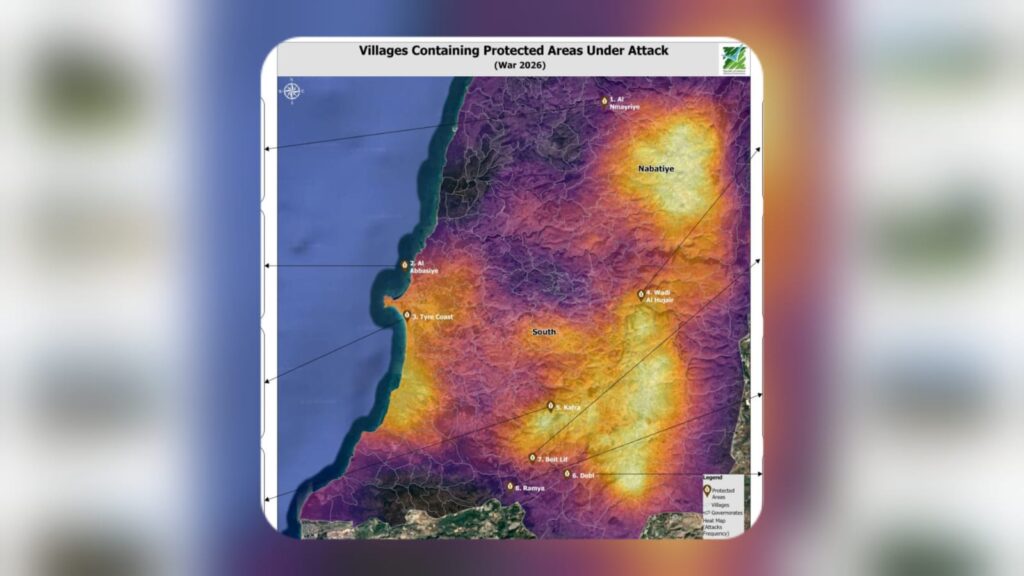
Scientific data and spatial analyses released by Lebanon’s National Council for Scientific Research indicate high levels of bombardment and environmental pressure around several key protected natural areas in the South, including Ramyeh, Beit Leef, Debel, Wadi Al-Hujayr, Al-Abbassiyah, Tyre, Kafra, and Al-Numeiriyah. These sites represent interconnected ecological systems of national and regional importance, hosting rich biodiversity, serving as habitats for numerous plant and animal species, acting as critical corridors for migratory birds, and providing essential ecosystem services such as soil stabilization, water regulation, carbon storage, and climate change mitigation.
Ghanem warned that the damage inflicted on these ecosystems goes far beyond immediate physical destruction. Ecological science demonstrates that the destruction of habitats leads to the fragmentation of complex ecological networks, accelerated biodiversity loss, and reduced ecosystem resilience. In many cases, ecological recovery may take decades, while certain losses may prove irreversible.
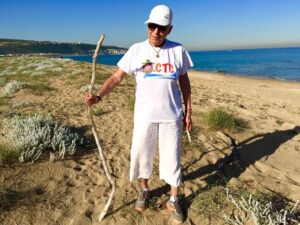
He further highlighted the human dimension of this environmental crisis, referring to the targeting of environmental activist Mona Khalil, who dedicated her life to protecting endangered sea turtles along the Mansouri coastline. Her work, he noted, became a global example of environmental stewardship, demonstrating that the protection of endangered species is inseparable from the protection of entire coastal ecosystems and the sustainability of natural resources for future generations.
The statement stressed that the destruction of protected areas and natural landscapes in southern Lebanon cannot be separated from broader issues of memory, identity, and belonging. Forests, valleys, and coastlines are not merely geographical features; they are living cultural landscapes shaped by generations of interaction between communities and their environment.
Ghanem, in his capacity as Coordinator of the IUCN Members Network – Lebanon, called for the documentation of environmental damages to be treated as a national, scientific, and ethical priority, alongside humanitarian and reconstruction efforts. He urged the launch of a comprehensive and independent environmental damage assessment, followed by urgent and long-term restoration plans aimed at rehabilitating ecosystems, restoring biodiversity, and strengthening ecological resilience.
He also issued a broad appeal to environmental organizations, academic and research institutions, media outlets, environmental activists, social media influencers, artists, and content creators to break the silence surrounding this environmental catastrophe and bring it into the global public discourse.
“Environmental wounds are no less severe than human wounds,” Ghanem stated, warning that ecosystems and human societies form an inseparable system. “When forests are burned, habitats destroyed, and species lost, a fundamental part of our shared future is eroded.”
He further called on international environmental organizations, global conservation bodies, and donor institutions to support environmental assessment and restoration efforts, stressing that the impacts extend beyond Lebanon and affect globally significant biodiversity corridors and ecological systems.
Ghanem concluded by noting that while Lebanon has historically demonstrated resilience in rebuilding after crises, ecological restoration remains one of the most complex and time-consuming forms of recovery. While infrastructure can be rebuilt within years, forests, ecosystems, and biodiversity may require decades to recover—if recovery is possible at all.
He concluded: “Defending Lebanon’s nature is defending life itself, ecological memory, and the right of future generations to inherit a vibrant, balanced, and biodiverse country. When nature is targeted, it is not only trees that are affected—it is the nation as a whole.”
-
-
 News & Reports
District 351 Peace Poster Committee Chairperson Calls on Schools to Participate Widely in the 2026–2027 International Contest
25 August 2026 -
 News & Reports
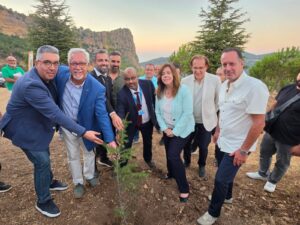
Hima Niha Park Launched in Batroun: A Community-Led Model Linking Nature, Youth and Local Heritage
22 August 2026 -
 News & Reports
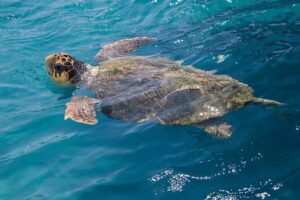
Endangered Loggerhead Sea Turtle Nests on Busy Batroun Beach, Inspiring Community-Led Conservation Effort
5 July 2026 -
 Expert Articles
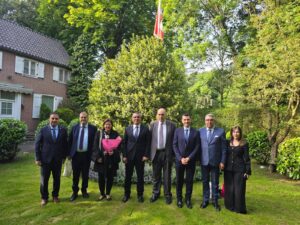
From The Hague to Wageningen: How Minister Nizar Hani’s Visit to the Netherlands is Shaping New Pathways for Agricultural Transformation in Lebanon
21 June 2026 -
 News & Reports
IUCN Members’ Network – Lebanon Mourns Environmental Pioneer Mona Khalil: The Guardian of Sea Turtles Has Passed, but Her Legacy Will Endure
19 June 2026 -
 News & Reports
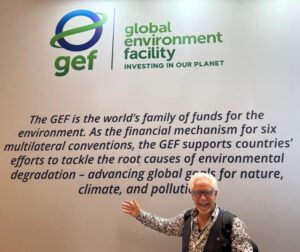
Hima Voices for a Sustainable Future – SPNL Director General Represents Lebanon at the Launch of the Global GEF CSO Challenge Program
7 June 2026 -
 News & Reports
IUCN Director General Commends Ghadi Association’s Environmental Media Initiatives in Lebanon
8 May 2026 -
 News & Reports
LEBANON: NEW IPC ANALYSIS SHOWS CONFLICT ESCALATION PUSHING NEARLY A QUARTER OF POPULATION INTO ACUTE FOOD INSECURITY
4 May 2026
-
-
- No most read articles today