

#HimaEcoMedia
Environmental Desk
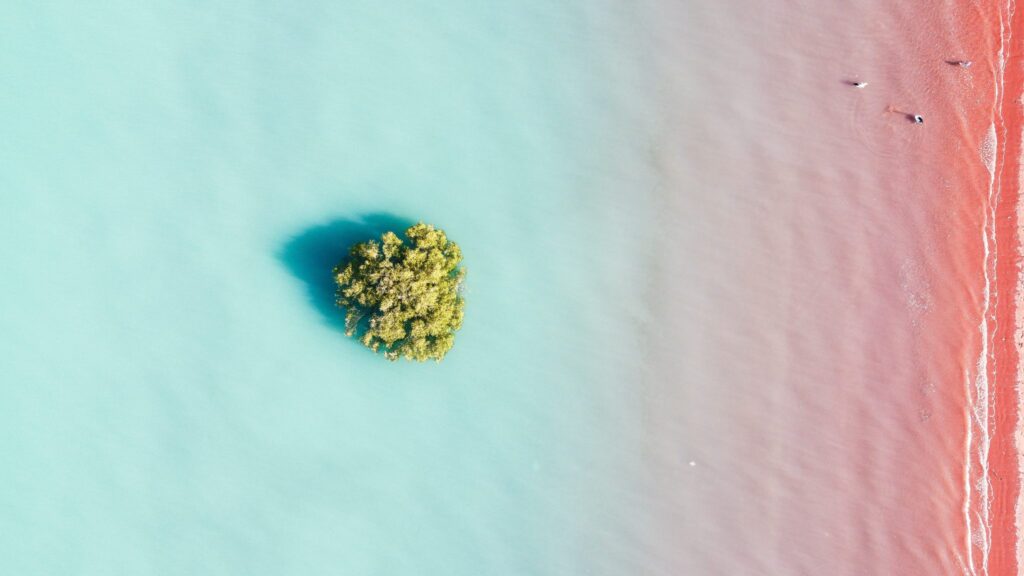
In a landmark achievement for global environmental efforts, more than 10% of the world’s oceans are now officially designated as protected or conserved areas, marking a significant step forward in safeguarding marine biodiversity and sustaining vital ocean ecosystems.
The milestone was announced by the United Nations Environment Programme World Conservation Monitoring Centre (UNEP-WCMC), which confirmed that 10.01% of marine areas are currently under protection—an increase from 8.6% recorded in 2024. Over the past two years, approximately five million square kilometres of ocean—an area larger than the European Union—have been added to conservation zones.
This progress fulfills a long-standing international target to protect at least 10% of the oceans, initially set for 2020. Although achieved six years later than planned, the milestone reflects growing global commitment and strengthened cooperation in addressing pressing environmental challenges.
Despite this progress, experts warn that the journey is far from complete. Under the Kunming-Montreal Global Biodiversity Framework adopted in 2022, countries have pledged to protect 30% of the planet’s land and seas by 2030. Achieving this goal will require tripling the current extent of marine protected areas within a short timeframe—an expansion equivalent to covering an ocean area roughly the size of the Indian Ocean.
Scientists also stress that designation alone is not enough. Effective management and equitable governance remain critical to ensuring that protected areas deliver tangible benefits for biodiversity and local communities. Currently, only about 1.3% of the ocean is covered by marine protected areas with assessed management effectiveness, highlighting a major gap between designation and real impact.
Significant challenges persist in the high seas—waters beyond national jurisdiction—which make up over 60% of the global ocean yet remain largely unprotected, with only 1.66% under conservation measures. The recent entry into force of the UN High Seas Treaty in 2026 is expected to play a pivotal role in addressing this gap by enabling the establishment of protected areas in international waters.
Oceans are essential to life on Earth, producing more than half of the world’s oxygen and supporting millions of livelihoods worldwide. While the 10% milestone demonstrates the power of international collaboration and science-based policymaking, it also underscores the urgent need to accelerate action.
As the global community advances toward the 2030 targets, attention must now shift toward not only expanding marine protected areas, but also ensuring their effectiveness, sustainability, and inclusiveness—key pillars for securing the future of our planet’s “blue heart.”
*Source:* UNEP-WCMC
-
-
 Expert Articles
Assad Serhal: The Man Who Gave Nature a Voice and Revived the Hima for the World
23 June 2026 -
 Expert Articles
From The Hague to Wageningen: How Minister Nizar Hani’s Visit to the Netherlands is Shaping New Pathways for Agricultural Transformation in Lebanon
21 June 2026 -
 Expert Articles
Nature and Humanity Under Fire, Yet Hope Endures Through Hima
9 June 2026 -
 Expert Articles
Serhal Issues Urgent Call for Environmental Protection and Ecosystem Restoration in Southern Lebanon
9 June 2026 -
 Expert Articles
Ghanem on the International Day for Biological Diversity: From Hima to Environmental Media… The Final Battle of Awareness to Protect Life on Earth
22 May 2026 -
 Expert Articles
Lebanon Strengthens Its Role as a Biodiversity Reservoir: “Akkar Iris Trail Garden” A Pioneering Initiative to Protect Endangered Species
4 May 2026 -
 Expert Articles
Crise agricole au Sud-Liban : guerre, sécheresse et survie menacent l’avenir du secteur
4 May 2026 -
 Expert Articles
UNESCO Advisor Dr. Nazar Hassan Announces Levant Himas, Geoparks and Biosphere Reserves Accelerator 2026 Initiative
14 March 2026
-
-
- No most read articles today