

@HimaEcoMedia
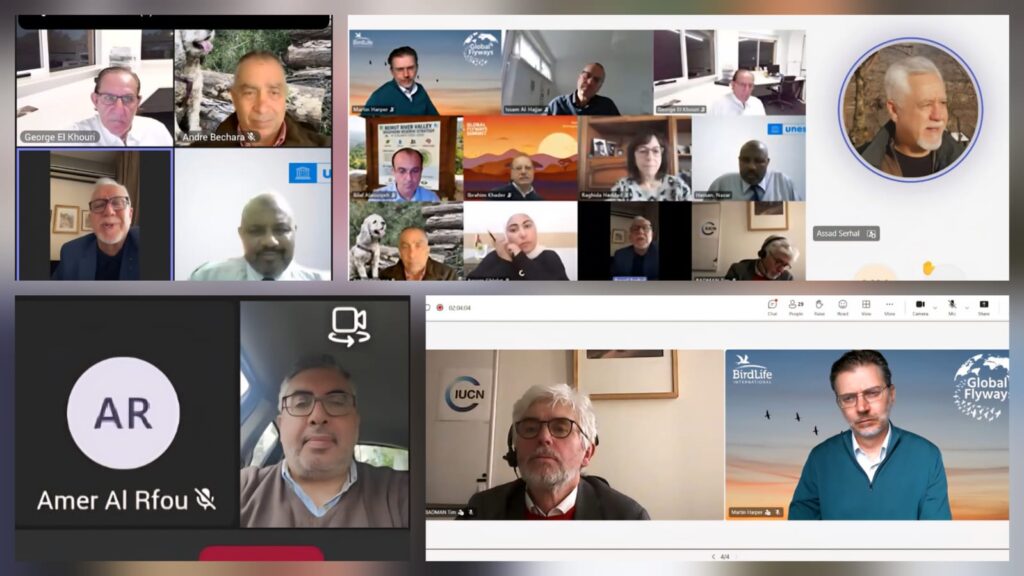
Beirut, 2 April 2026 – The UNESCO Regional Office in Beirut, in partnership with the Society for the Protection of Nature in Lebanon (SPNL), convened a high-level regional meeting to advance a shared vision for biodiversity conservation and sustainable development across the Levant.
Held online, the meeting brought together leading international organizations, national authorities, and regional experts to explore how the Hima approach—a community-based conservation system rooted in local traditions—can be integrated with globally recognized frameworks, including UNESCO biosphere reserves, World Heritage sites, and geoparks.
As outlined in the official agenda, the event aimed to establish a collaborative platform for exchanging experiences, addressing biodiversity loss, and shaping future conservation pathways across the region.
A notable contribution to the discussion was made by Nazar Hassan through the Levant 2026 Accelerator Initiative, presented as a catalytic platform to fast-track regional cooperation on biodiversity and sustainable development. The initiative seeks to move beyond dialogue toward implementation by supporting scalable, innovation-driven conservation models that bridge policy, finance, and community action. Emphasizing agility and impact, the Accelerator connects local initiatives such as Hima with regional and global funding mechanisms, technical expertise, and policy frameworks. It also promotes cross-border collaboration, knowledge transfer, and the incubation of pilot projects that can be replicated across the Levant. By aligning grassroots conservation practices with strategic investment and regional coordination, the initiative positions itself as a key driver in transforming commitments into measurable outcomes and strengthening the region’s collective response to environmental challenges.
Michelle Jalkh, National Program Officer at the Swiss Agency for Development and Cooperation (SDC), highlighted the importance of linking community-based conservation models such as Hima with long-term development programming and donor-supported frameworks. She underscored SDC’s sustained commitment to SPNL and its Hima initiative over the past two decades, particularly through its support under the water programme, which has contributed to strengthening community resilience and sustainable natural resource management. Emphasizing inclusive governance, Jalkh noted that successful conservation efforts must be rooted in community ownership while supported by coherent policy environments and sustained investment. She also stressed the need for stronger alignment between national priorities, regional cooperation mechanisms, and international funding streams to ensure that innovative approaches like Hima can be effectively scaled and replicated across the Levant.
A key contribution to the meeting came from the International Union for Conservation of Nature (IUCN), which underscored the strategic importance of integrating internationally designated areas through coordinated conservation frameworks, particularly in the context of Multi-Internationally Designated Areas (MIDAs). The presentation highlighted that more than 4,000 internationally designated areas exist worldwide, including biosphere reserves, World Heritage sites, Ramsar sites, and geoparks, with approximately 395 sites holding multiple international designations. While these overlapping frameworks create valuable opportunities for enhanced cooperation, visibility, and resource mobilization, they also present challenges such as fragmented governance structures, overlapping legal and administrative systems, and competition for recognition and funding. Despite these complexities, participants emphasized the significant potential of such systems to strengthen institutional coordination, promote integrated landscape and seascape management, and better align conservation efforts with cultural and development priorities. Within this context, the Hima approach was recognized as a unifying, community-centered model capable of anchoring conservation efforts in local stewardship and inclusive governance.
Adriana C. Moreira, Head of the Partnerships Division at the Global Environment Facility (GEF), underscored the critical role of strategic partnerships in accelerating environmental action at both regional and global levels. She emphasized that GEF is advancing innovative financing models that connect local initiatives with global priorities, particularly in biodiversity conservation, climate action, and ecosystem restoration. Moreira highlighted that community-based approaches such as the Hima model represent effective pathways for achieving sustainable impact, especially when embedded within multi-partner financing frameworks and supported by strong collaboration between governments, international organizations, and civil society. She further stressed the importance of scaling up investments in nature-based solutions and improving access to finance for local initiatives, enabling the translation of global commitments into tangible, on-the-ground results.
#Adriana_Moreira from the #GEF: “The #Hima is a global model of community-based conservation similar to experiences in Latin America”#HimaEcoMedia #GhadiNews #Ghadi pic.twitter.com/O4dee5UTzQ
— GHADI NEWS (@GHADINEWS) October 23, 2025
From Local Stewardship to Global Frameworks
At the heart of the discussions was a shared recognition that effective conservation must bridge local knowledge systems with international standards and policy frameworks. Assad Serhal, Chairman of the BirdLife Middle East Partnership and Director General of SPNL, emphasized that the Hima approach embodies a governance model rooted in community stewardship, cultural heritage, and the sustainable use of natural resources. He noted that reviving and adapting this tradition not only delivers ecological benefits but also reinforces the social fabric essential for long-term conservation success.
Participants highlighted that Hima provides a practical and scalable response to contemporary environmental challenges by empowering local communities as primary custodians of ecosystems, enhancing sustainable livelihoods, and strengthening social cohesion. In this sense, Hima was presented as an integrated socio-ecological framework aligning local action with global priorities.
Martin Harper, Chief Executive Officer of BirdLife International, noted that the Hima approach aligns closely with global biodiversity strategies and contributes directly to achieving international targets, including the 30×30 conservation goal. He emphasized that such community-based models are essential for translating global commitments into tangible, on-the-ground outcomes.
Integrating Internationally Designated Areas: A Strategic Imperative
Discussions reaffirmed the growing importance of Multi-Internationally Designated Areas (MIDAs) and the need for more coherent conservation frameworks. While these designations offer enhanced visibility, cooperation, and funding opportunities, they also introduce governance complexities and operational challenges.
Despite these constraints, participants agreed that multi-designation systems offer strong strategic advantages, including improved coordination, integrated ecosystem management, increased access to global visibility and funding, and better alignment between conservation objectives, cultural values, and sustainable development priorities.
Within this framework, the Hima approach was identified as a critical unifying layer, ensuring that conservation remains people-centered, locally grounded, and socially inclusive.
Towards Integrated Conservation Landscapes
Participants emphasized the urgent need to move beyond isolated conservation sites toward integrated, multifunctional landscapes connecting Hima-managed areas with UNESCO biosphere reserves, geoparks, and other protected areas, as well as ecological corridors such as migratory flyways. This shift is essential for ensuring ecological continuity and resilience across borders and ecosystems.
Tim Badman, Director of the World Heritage Programme at IUCN, stressed that effectively linking nature and culture is fundamental to sustainable conservation outcomes, and that placing communities at the center of conservation efforts is both a practical necessity and a strategic priority.
Regional Momentum and Country Engagement
Country interventions demonstrated growing regional momentum:
- Jordan, through the Royal Society for the Conservation of Nature, showcased advanced protected area management models and proposed new sites incorporating Hima principles
- Syria presented officially recognized conservation areas and outlined pathways for future site designation despite institutional challenges
- Palestine highlighted existing conservation initiatives and emphasized the importance of sustained international support
- The Levant 2026 Accelerator Initiative was reaffirmed as a platform to scale regional cooperation, innovation, and knowledge exchange
Across all presentations, countries demonstrated a shared commitment to expanding conservation efforts despite complex environmental and political realities.
Shared Challenges in a Complex Region
Participants identified key cross-cutting challenges, including limited financial and technical capacity, governance gaps, environmental pressures such as climate change and land degradation, and the impact of regional instability on conservation planning and implementation.
There was strong consensus that these challenges require coordinated, cross-border responses and sustained long-term investment.
Key Outcomes and Strategic Directions
The meeting concluded with a clear set of strategic priorities:
- Recognizing the Hima approach as a cornerstone model for inclusive and sustainable conservation
- Expanding integration between Hima and international designations
- Supporting countries in advancing both existing and proposed conservation sites
- Strengthening global and regional partnerships to ensure coordinated action
- Promoting nature-culture approaches that place communities at the center of conservation
Participants also committed to continued collaboration and joint engagement in upcoming international platforms, including initiatives linked to Samarkand, reinforcing the region’s role in global conservation dialogue.
A New Paradigm for Conservation in the Levant
The meeting underscored a transformative shift in conservation thinking—one that recognizes that biodiversity protection cannot be separated from people, culture, and governance.
By integrating traditional systems like Hima with modern international frameworks, stakeholders are shaping a new conservation paradigm that is inclusive, scientifically grounded, globally connected, and adaptable to complex regional realities.
This initiative marks a significant step toward building resilient ecosystems, empowered communities, and sustainable futures across the Levant and beyond.
Lebanon Leads with the First Global Media Hima Initiative
It is worth noting that Lebanon has taken a pioneering step by becoming the first country in the world to introduce a media-based Hima model through the platform HimaEcoMedia. This initiative represents a transformative extension of the traditional Hima concept into the media and communication sphere, positioning journalism and storytelling as active tools for conservation.
HimaEcoMedia serves as a dedicated environmental media platform that amplifies local voices, promotes biodiversity awareness, and bridges science, policy, and public engagement. By integrating environmental communication within the Hima framework, Lebanon is setting a global precedent—demonstrating how media can function as a “protected space” for knowledge, advocacy, and community-driven environmental action.
-
-
 Conferences & Activities
GHADI Participates in IUCN Mediterranean Regional Workshop on Species Conservation in Tunisia
20 July 2026 -
 Conferences & Activities
30 New Nature Guides Graduate Under SPNL’s Homat al Hima Programme to Support Lebanon’s First Natural Park
5 July 2026 -
 Conferences & Activities
Fadi Ghanem: Lions’ Engagement in Supporting Hima Marks a Pivotal Milestone for Environmental and Community Action in the Region
28 June 2026 -
 Conferences & Activities
Minister of Agriculture Nizar Hani Visits Berytech and Affirms: Building a Modern Agricultural Economy Based on Innovation, Partnerships, and Investment in Value Chains
7 June 2026 -
 Conferences & Activities
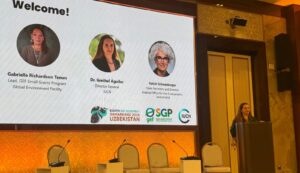
IUCN Director General Highlights Community Ownership as the Foundation of Sustainable Conservation at GEF Assembly
5 June 2026 -
 Conferences & Activities
Bsharri and Dimane Strengthen Environmental Leadership: Establishment of “Hima Bsharri” and Declaration of the “Patriarchs’ Garden – Dimane” as an Environmental and Cultural Hima within a National Vision for Nature and Heritage Conservation
2 June 2026 -
 Conferences & Activities
Regional Dialogue in Beirut under the “Al Murunah” Project Advances Climate Adaptation Financing through Nature-Based Water Solutions
11 March 2026
-
-
- No most read articles today