

#HimaEcoMedia
In a new episode of The Earthbound 30×30, the spotlight was placed on the state of Lebanon’s forests, with particular emphasis on cedar forests as both a national symbol and a critical ecological asset reflecting Lebanon’s identity, environmental heritage, and natural balance amid mounting environmental pressures and climate-related challenges.
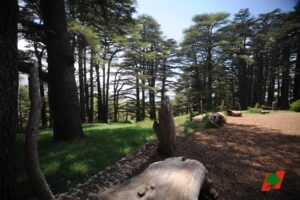
The episode hosted Kozhaya Tawk, Vice President of the Friends of the Cedar Forest Committee – Bsharri, who presented a comprehensive overview of the current reality of Lebanon’s forest ecosystems, the environmental and socio-economic threats facing them, and the pathways toward restoring forest cover and strengthening long-term environmental sustainability.
Tawk emphasized that the relationship between the Lebanese people and their forests — particularly the cedar forests — extends far beyond ecological value, forming an essential component of Lebanon’s cultural identity, historical memory, and collective heritage. He noted that despite their ecological and symbolic importance, Lebanese forests continue to face severe pressures resulting from urban expansion, uncontrolled grazing, unsustainable logging practices, recurrent wildfires, and the accelerating impacts of climate change.
Within the framework of international environmental initiatives, the episode explored the global “30×30” target, which aims to protect 30% of the world’s terrestrial and marine ecosystems by 2030 as part of a broader international commitment to biodiversity conservation and ecosystem resilience. In this context, Tawk stressed the importance of increasing the proportion of protected areas in Lebanon, expanding their geographical coverage, and strengthening the role of local communities in their management, alongside enforcing and effectively implementing existing environmental legislation.
He further underlined that restoring Lebanon’s forest cover remains achievable, provided that scientific planning, political will, and coordinated collaboration between governmental and non-governmental stakeholders are effectively mobilized. He highlighted the importance of selecting ecologically appropriate native species, reinforcing legal frameworks, and strengthening field-based afforestation and ecosystem restoration initiatives.
Addressing forest nursery production, Tawk explained that scientific advancements and the integration of modern nursery technologies have significantly improved seedling quality and production efficiency. However, he stressed that successful afforestation depends fundamentally on the use of carefully selected local seeds sourced from suitable natural habitats to ensure adaptability to Lebanon’s climatic conditions and resilience against environmental stressors.
Tawk also emphasized that the success of reforestation initiatives depends not solely on planting efforts, but largely on long-term maintenance, monitoring, and post-planting protection measures. According to him, these stages constitute the true foundation for sustainable forest recovery and ecological balance.
The episode additionally highlighted the role of the Friends of the Cedar Forest Association, established in 1986 to protect the Cedars of God Forest. Over the years, the association expanded its work to include large-scale afforestation projects, forest seedling production of cedar, juniper, and fir species, as well as environmental awareness programs and partnerships with municipalities, churches, and local communities.
Another key segment of the discussion addressed the sustainable management of medicinal and aromatic plants in Lebanon’s mountainous regions. Tawk called for the adoption of a science-based and sustainable management approach that balances economic benefits with biodiversity conservation through the regulation of harvesting, drying, and marketing processes, while preventing unsustainable exploitation that threatens native plant species.
The episode concluded by stressing that the growing threats facing Lebanon’s forests and medicinal plant ecosystems — including wildfires, encroachments, and rapid urbanization — require an integrated national vision based on effective legislation, stronger monitoring mechanisms, public environmental awareness, scientific research, and the development of accurate natural resource mapping systems.
The program closed with a strong message affirming that forest protection is not merely an environmental choice, but a strategic national necessity for safeguarding Lebanon’s environmental, economic, and social future, while calling for continued investment in afforestation programs and the rehabilitation of degraded ecosystems.
-
-
 Podcast
Maud Lelièvre, Vice-Présidente mondiale de l’UICN : «La biodiversité n’est pas le décor de la vie, elle est la vie elle-même»
8 July 2026 -
 Podcast
Is “Hima” Stronger Than Protected Areas? Assad Serhal: Lebanon Has Introduced a Global Model for Nature Conservation and Community Stewardship
7 May 2026 -
 Podcast
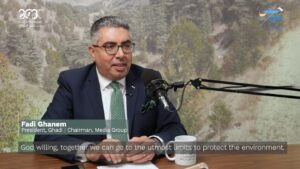
Planet on the Brink… A Race Against Time to 2030 | Launch of “The EarthBound 30×30”
30 April 2026 -
 Podcast
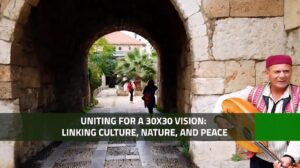
Linking Culture to Nature and Peace
15 March 2026 -
 Podcast
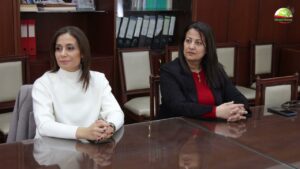
Launch of the HimaEcoMedia Platform and The Earthbound 30×30 Podcast from the Lebanese Ministry of Information
11 March 2026
-
-
- No most read articles today